

Vietnam has become one of Asia’s most dynamic agricultural exporters, supplying tropical produce, spices, seafood, and processed foods to more than 190 global markets. From seedless limes and dragon fruit to coffee, cashew, pepper, rice, and durian, Vietnam’s agriculture is evolving from a volume-driven industry to a quality-centered, export-oriented economic pillar.
In 2024–2025, agricultural export turnover continued to grow steadily thanks to improved farming standards, wider market access, and strong demand for tropical products. As global consumers prioritize health, sustainability, and traceability, Vietnam is positioned to expand its influence further.
Vietnam maintains global leadership in several signature products:
Rice (Premium, Fragrant Varieties)
Vietnamese Jasmine, ST24, and ST25 rice varieties are highly valued in markets like the EU, the Middle East, and Asia for their soft texture and aroma. Vietnam consistently ranks among the top three rice exporters in the world.
Cashew Nuts
Vietnam remains the world's largest cashew nut exporter, contributing over 80% to global processed cashew supply. The country leads in processing technology, quality control, and stable output.
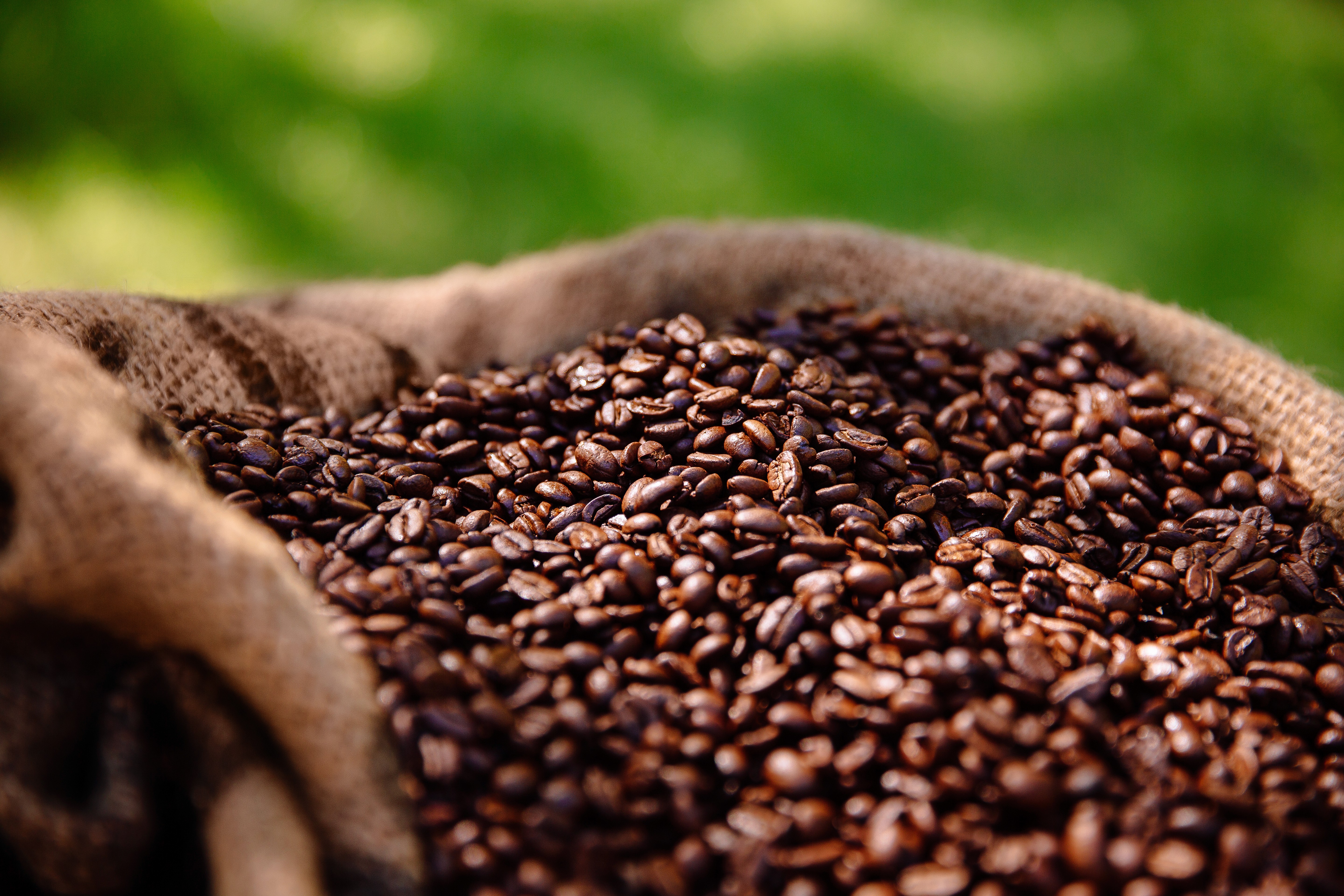
Coffee (Robusta Champion)
Vietnam is the world’s largest Robusta coffee producer, supplying high-quality beans to Europe and North America. The shift toward sustainable farming and higher-end processing is boosting premium value.
Pepper (Black & White Pepper)
Vietnam holds the top position in global pepper exports. High yields and improved drying technology help Vietnamese pepper achieve competitive pricing and quality.
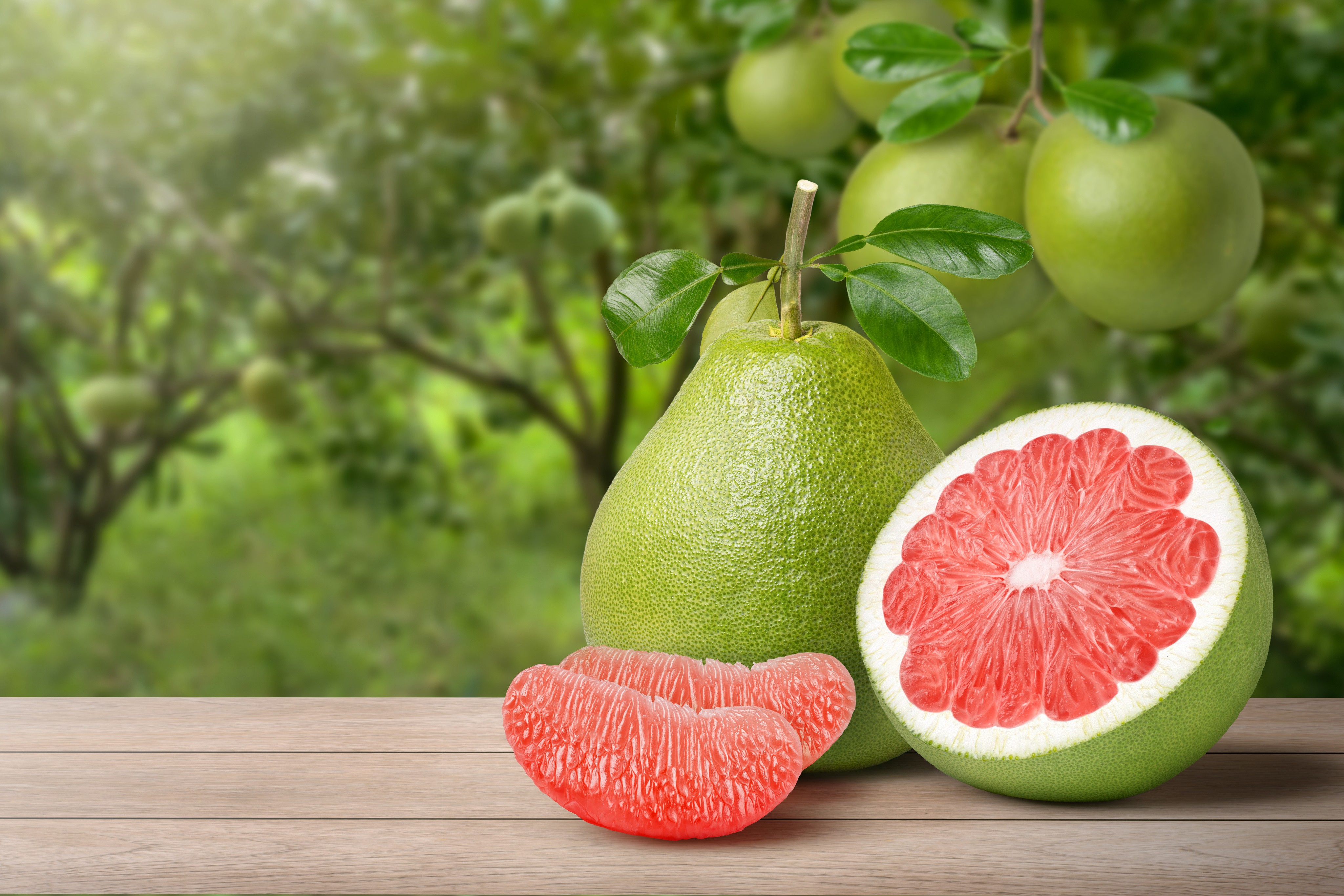
Fresh Fruits (Lime, Durian, Coconut, Dragon Fruit)
Tropical fruits are emerging as the fastest-growing export category.
Durian exports surged after China opened its market through official quotas.
Seedless limes and semi-husked coconuts gained strong traction in the Middle East and South Asia due to premium quality and large, consistent harvests.
Why Vietnam’s Agricultural Products Are Attractive to Global Markets
Competitive Pricing
Lower production costs and a strong supply chain help Vietnam offer competitive FOB and CIF pricing across categories.
Diverse Climate & Year-Round Harvest
Vietnam benefits from multiple micro-climates, allowing continuous harvest cycles and product availability 12 months a year.
Growing Adoption of International Standards
Producers increasingly apply VietGAP, GlobalGAP, HACCP, ISO, and modern packaging processes — essential for entry into high-income markets.
Strategic Trade Agreements
Vietnam benefits from major free trade agreements:
EVFTA (EU–Vietnam)
CPTPP
RCEP
These reduce tariffs and open stronger access to premium markets.
Challenges Facing Vietnam’s Agricultural Export Sector
Despite its strengths, the sector also faces persistent challenges:
1. Quality Control & Standardization
Smallholder farming remains the majority, making consistency difficult. Variations in size, color, and pesticide residue can limit entry into strict markets like the EU and Japan.
2. Logistics & Cold-Chain Limitations
Cold-storage infrastructure and long-haul preservation technology are still developing, affecting fresh fruit quality during transit.
3. Market Dependence
Some key commodities (fruit, seafood) rely heavily on China — creating vulnerability during policy changes or border restrictions.
4. Low Value-Added Processing
A significant portion of agricultural exports remains in raw or semi-processed form, reducing profitability and brand identity.